




Monsoon Travel Essentials- Smart Tips for Rainy Escapes, Treks & Waterfall Adventures
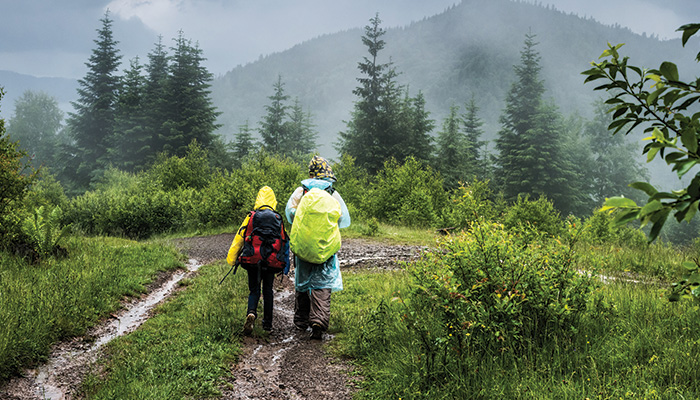
Discover essential monsoon travel tips, packing advice, trekking guidance, and waterfall safety tips for unforgettable rainy-season adventures.
Monsoon is one of the most rewarding times to travel. Waterfalls thunder down mountain slopes, trekking trails come alive with greenery, and mist-covered valleys create postcard-perfect views. But rainy-season travel also comes with its own set of challenges. Whether you're planning to chase waterfalls, trek through the Western Ghats, and camp in the hills, or embark on a scenic road trip, knowing what to expect can make all the difference.
Here's how to travel smarter and safer during the monsoon while making the most of the season's beauty.
Start Early, Especially for Treks and Waterfalls
During monsoon, weather conditions can change rapidly. A clear morning can turn into heavy rainfall by afternoon, particularly in hilly regions. That's why it's always advisable to begin your journey early.
Take the example of the Valley of Flowers in Uttarakhand. While the monsoon season brings the valley into full bloom, afternoon showers are common and can make trails slippery. Starting your trek early not only helps you avoid peak rainfall but also gives you better visibility of the surrounding Himalayan landscapes.
Similarly, visitors heading to Rajmachi Fort near Lonavala often prefer early morning treks to avoid slippery descents later in the day.
.jpg)
Research Local Weather and Road Conditions Before You Leave
Monsoon weather can affect accessibility, especially in remote destinations. Before setting out, check local forecasts, road conditions, and any travel advisories.
For instance, travellers visiting Cherrapunji in Meghalaya should be prepared for frequent rainfall throughout the day. While the rains are part of the destination's charm, visibility can occasionally drop, affecting sightseeing plans. Keeping a flexible itinerary ensures that weather disruptions don't spoil the trip.
Likewise, some mountain roads in Himachal Pradesh and Uttarakhand may experience temporary closures due to landslides during periods of intense rainfall.
.jpg)
Dress for the Destination, Not Just the Rain
A lightweight rain jacket and quick-dry clothing are essentials, but your choice of clothing should also depend on the destination.
If you're trekking to places like Triund in Himachal Pradesh or Tadiandamol Peak in Karnataka, moisture-wicking clothes and sturdy trekking shoes become more important than carrying multiple layers. Wet cotton clothing can become uncomfortable and increase the risk of chills, especially at higher altitudes.
Comfort and practicality should always take priority over fashion when traveling during the rainy season.
.jpg)
Waterfall Adventures Need Extra Caution
Monsoon is undoubtedly the best time to witness waterfalls at their most spectacular. Destinations such as Dudhsagar Falls in Goa transform into roaring cascades during peak rainfall, drawing thousands of visitors eager to witness their raw power. While the views are unforgettable, heavy rainfall can make access routes slippery and water levels can rise unexpectedly. Checking local advisories before visiting and staying within designated viewing areas ensures a safer experience.
Athirappilly Falls in Kerala presents a similarly dramatic sight during the rainy season. Surrounded by lush forests and fed by strong monsoon currents, the waterfall is at its most beautiful between June and September. The mist, spray, and wet rocks create stunning photography opportunities, but sturdy footwear and cautious movement are essential around viewing points.
.jpg)
Trekking During Monsoon Requires Smart Planning
Monsoon breathes new life into some of India's most popular trekking destinations. The rolling grasslands of Kudremukh in Karnataka turn into vibrant shades of green, while clouds drift across the mountain slopes, creating breathtaking scenery. These same conditions, however, make trails muddy and more physically demanding, making proper trekking shoes and rain protection indispensable.
In Uttarakhand, the Valley of Flowers reaches its peak bloom during the monsoon months. The trail is lined with colourful alpine flowers, waterfalls, and mist-covered peaks, but frequent showers can make sections of the route slippery. An early start often provides clearer views and a more comfortable trekking experience before afternoon rain sets in.
.jpg)
Camping Is Magical—If You Choose the Right Location
Monsoon camping offers a completely different experience from camping during other seasons. Around Pawna Lake near Lonavala, mornings often begin with mist-covered hills and gentle rain showers drifting across the landscape. Waterproof tents, elevated camping spots, and dry storage for essentials become crucial for a comfortable stay.
The coffee plantations and forested hills of Coorg create another memorable monsoon camping setting. Continuous rainfall keeps the surroundings lush and vibrant, while cooler temperatures make evenings particularly enjoyable. Packing an extra set of dry clothes can make all the difference after a day spent outdoors.
Research Local Weather and Road Conditions Before You Leave
Some of India's most beautiful monsoon destinations are also among the most weather-dependent. Cherrapunji in Meghalaya receives some of the highest rainfall levels in the world, creating dramatic waterfalls, cloud-covered valleys, and ever-changing landscapes. Travel plans here often work best with flexibility, allowing time for weather-related delays or sudden changes in visibility.
Mountain regions such as Himachal Pradesh and Uttarakhand can experience temporary road disruptions during periods of intense rainfall. Keeping track of local updates before departure helps avoid unexpected detours and ensures a smoother journey.
This style feels more editorial, premium, and travel-magazine-like because the destinations are woven into the narrative rather than being presented as examples. It reads naturally while still giving readers practical guidance.
Send us a message
Social Follow
CATEGORIES
Contact Us
- Unit no 101, First Floor, Tower-A, Unitech World- Cyber Park, Sector 39, Gurgaon, Haryana-122003, India.
- 24/7 Call Service 0124 416 3001
-
Join us on Whatsapp! +919873600317

- info@brightsun.co.in
Information
Follow Us
About Us
Brightsun Travel are a well-established company providing its customers with an extensive range of travel related services. Whether it’s booking a domestic flight or planning a luxurious international holiday, Brightsun’s team of dedicated travel professionals are at your service 24/7. The company was established in 1986 and over the years has flourished into a successful global business. In addition to two offices in Gurgaon, Delhi, Brightsun Travel also operates from the United Kingdom with an office in Manchester and their head office in Hounslow, London. Read more...
© 2021 Brightsun Travel Pvt. Ltd