




Explore Jaffna and Experience a Different Side of Sri Lanka
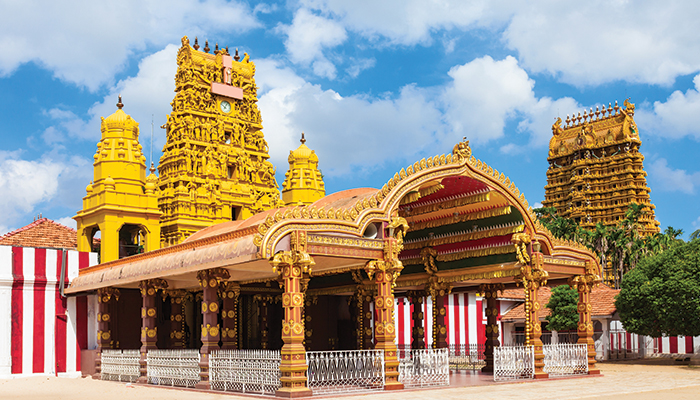
Discover the cultural heart and hidden beauty of northern Sri Lanka in Jaffna!
When people think of travelling in Sri Lanka, destinations such as Colombo, Kandy, Galle, and the southern beaches usually come to mind. These places are popular for good reason, but they represent only one side of the island.
Jaffna, located in the northern-most part of Sri Lanka, offers a completely different experience. It is quieter, culturally rich, and far less commercialised, making it ideal for travellers who want to explore something authentic and meaningful.
The Unique Charm of Jaffna
Jaffna has a distinct identity shaped by Tamil culture, language, and traditions. Life here moves at a slower pace compared to the bustling cities in the south. For many years, the region remained isolated due to the civil conflict, which meant tourism developed very slowly. As a result, Jaffna has retained much of its original character. Visitors often notice how welcoming the people are and how strongly traditions are preserved in daily life.
.jpg)
Cultural and Historical Experiences
One of the most significant landmarks in Jaffna is the Nallur Kandaswamy Kovil. This Hindu temple is a central place of worship and a symbol of the region’s spiritual life. Its towering entrance, detailed architecture, and vibrant rituals make it a must-visit. Experiencing the temple during the annual Nallur Festival gives you a deeper understanding of local devotion and cultural celebrations.
Jaffna Fort is another place that tells an important story. Built during the colonial era, the fort reflects the influence of Portuguese and Dutch rule. Walking through it offers insight into Jaffna’s strategic importance in history. Some parts of the fort still bear marks from the civil war, reminding visitors of the region’s difficult past and the resilience of its people.
.jpg)
Food and Local Flavours
Jaffna cuisine is one of the strongest expressions of its culture. The food is known for bold spices and rich flavours, often stronger than what is found in other parts of Sri Lanka. Seafood plays a major role, with crab curry being especially famous. Vegetarian meals are also common, influenced by Hindu traditions. Palmyrah-based dishes and sweets are unique to the north and give visitors a taste they are unlikely to find elsewhere on the island.
Exploring the Islands Around Jaffna
The islands surrounding Jaffna add another dimension to the journey. Nainativu holds deep religious significance for both Hindus and Buddhists, reflecting the peaceful coexistence of different faiths in the region.
Another important spiritual site is the Dambakola Patuna Sri Sangamitta Viharaya, a sacred Buddhist temple believed to be the landing place of Theri Sangamitta, who brought the sacred Bo sapling to Sri Lanka. Delft Island offers a completely different experience, with its wide open landscapes, wild ponies, and a lifestyle that feels largely untouched by modern tourism. Visiting these places allows you to experience a simpler, more traditional way of life while gaining insight into the spiritual and cultural depth of northern Sri Lanka.
.jpg)
Know Before You Go
Jaffna’s climate is generally hotter and drier than much of Sri Lanka, which can be challenging for some travellers. Tamil is the primary language spoken, though English is commonly understood. Travelling to Jaffna from Colombo by train or bus takes several hours, but the journey itself highlights how far removed the region is from the usual tourist areas. Accommodation options are growing, but Jaffna is more about cultural exploration than luxury comfort.
Why Jaffna Is Worth Visiting
Jaffna does not offer crowded beaches or lively nightlife, but it provides something far more valuable. It shows a side of Sri Lanka that is deeply cultural, historically significant, and emotionally powerful. For travellers who want to move beyond the usual destinations and truly understand the diversity of the country, Jaffna is an unforgettable experience.
Send us a message
Social Follow
CATEGORIES
Contact Us
- Unit no 101, First Floor, Tower-A, Unitech World- Cyber Park, Sector 39, Gurgaon, Haryana-122003, India.
- 24/7 Call Service 0124 416 3001
-
Join us on Whatsapp! +919873600317

- info@brightsun.co.in
Information
Follow Us
About Us
Brightsun Travel are a well-established company providing its customers with an extensive range of travel related services. Whether it’s booking a domestic flight or planning a luxurious international holiday, Brightsun’s team of dedicated travel professionals are at your service 24/7. The company was established in 1986 and over the years has flourished into a successful global business. In addition to two offices in Gurgaon, Delhi, Brightsun Travel also operates from the United Kingdom with an office in Manchester and their head office in Hounslow, London. Read more...
© 2021 Brightsun Travel Pvt. Ltd